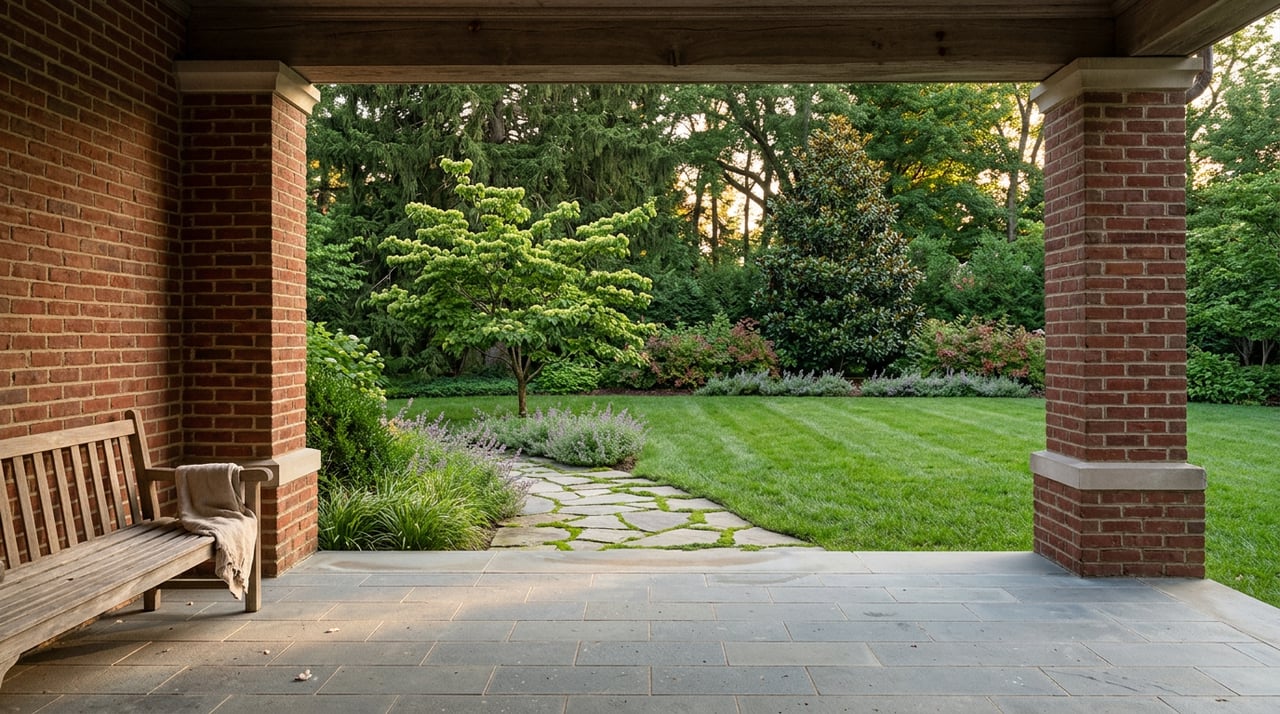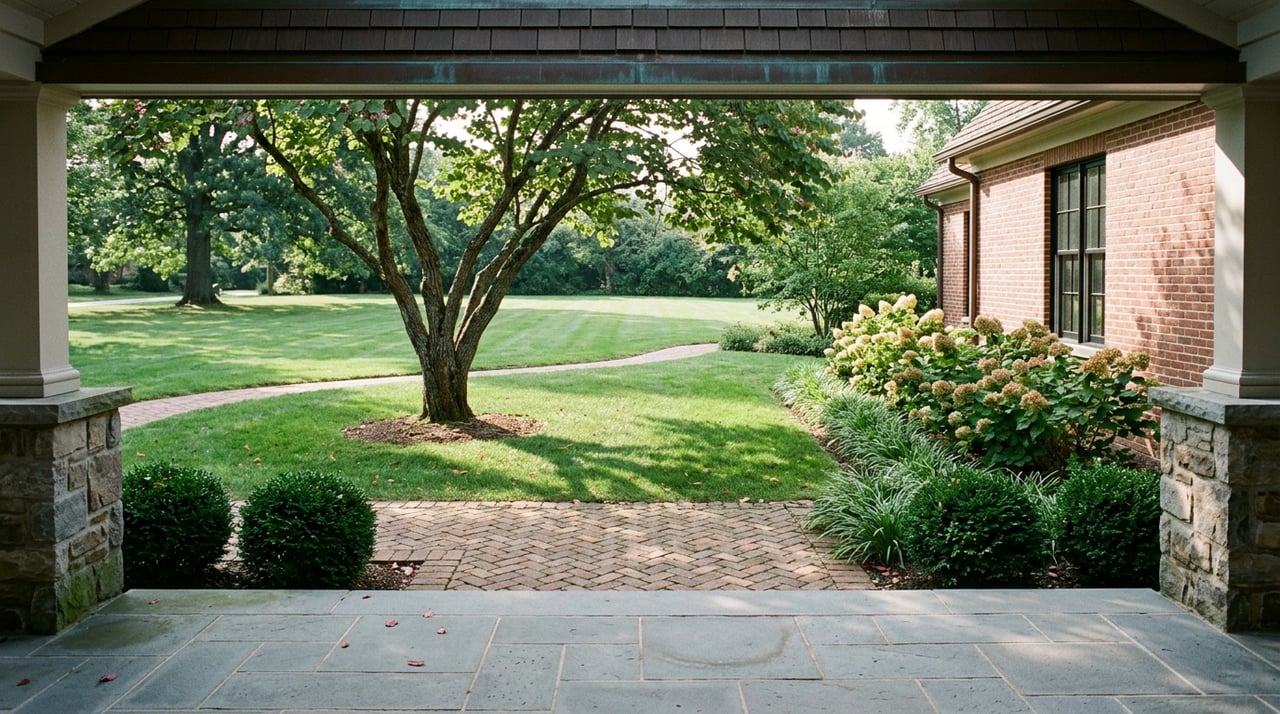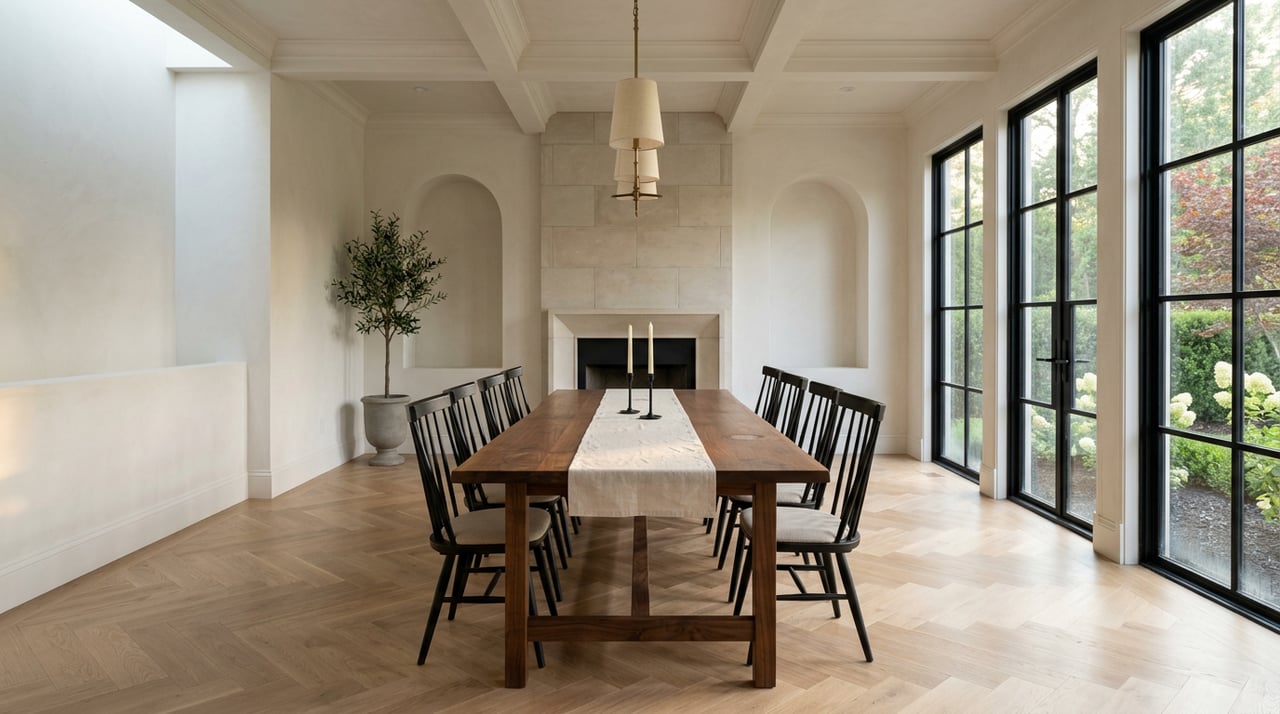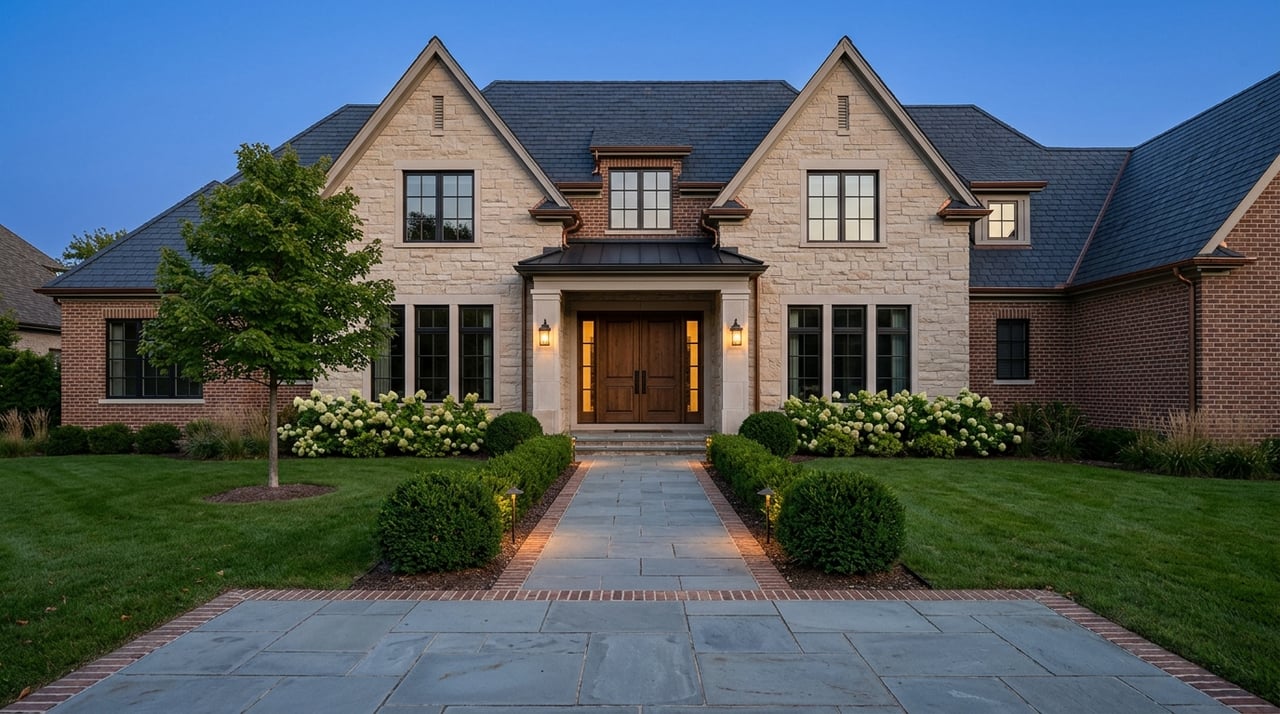
If your estate no longer fits the way you live, you are not alone. In Town and Country, many long-time homeowners reach a point where extra rooms, expansive grounds, and constant upkeep feel less like a luxury and more like a responsibility. If you are wondering whether it is time to right-size, this guide will help you weigh the lifestyle, market, and financial factors that matter most. Let’s dive in.
Why right-sizing looks different in Town and Country
Right-sizing in Town and Country is rarely about giving up quality. More often, it is about matching your home to your current season of life while preserving the privacy, comfort, and value you have built over time.
That matters here because Town and Country is a distinct housing market. The city had an estimated 11,619 residents in 2025, with 86.5% owner-occupied housing, a median owner-occupied home value of $928,500, and 29.5% of residents age 65 or older. The city also remains defined by estate-style residential living, with its land-use plan stating that large-lot residential should remain the predominant land use and one acre should remain the primary minimum residential lot size.
In other words, many homes here were designed for space, land, and long-term ownership. That makes the right-sizing decision less about square footage alone and more about how much home, land, and maintenance you truly want to manage now.
Signs your estate may be too much home
You do not need a major life event to start asking this question. Sometimes the signs are subtle and build over time.
You use only part of the house
If daily life happens in just a few rooms, your home may be functioning more like storage than living space. That can be common for long-time owners whose needs have changed while the house stayed the same.
National seller data supports this pattern. In 2024, the typical home seller was 63 years old and had lived in the home for 10 years, and a meaningful share sold because the home was too large.
Upkeep feels heavier than it used to
Large yards, long driveways, mature landscaping, pools, and outbuildings can all be part of the appeal of a Town and Country estate. But when those features start to feel like obligations, that is often a sign your priorities may be shifting.
This is especially relevant in a community where estate homes often sit on one acre or more. The land remains valuable, but maintaining it can become a bigger factor in your decision than many owners expect.
The layout is less convenient
What once felt spacious and impressive can become less practical over time. Stairs, long walks across the house, and repeated maintenance trips between levels or wings can make day-to-day living less simple.
For some homeowners, that is the moment when convenience begins to matter more than having every room available.
Your lifestyle priorities have changed
Many sellers move to be closer to friends or family, to travel more easily, or to reduce the time spent managing a property. If flexibility, lock-and-leave convenience, or lower maintenance now matter more than keeping the full estate footprint, that shift is worth taking seriously.
Right-sizing is not about settling. It is about aligning your home with how you want to live next.
What the Town and Country market means for sellers
If you own an estate home here, your property sits in a very different market from the broader county. Town and Country pricing is far above wider St. Louis County medians, and current portal snapshots point to a luxury submarket with selective demand.
One April 2026 market snapshot showed 75 homes for sale, a median list price of $902,844, $396 per square foot, and 76 median days on market. Another April 2026 snapshot showed a 3-month median sale price of $1.43 million and a median of 4 days on market. Those differences are exactly why broad online estimates are not enough for a serious right-sizing decision.
Your home’s value depends on local comparables
In a market like Town and Country, pricing should be based on comparable sales for homes with similar acreage, condition, architecture, and updates. Estate properties do not trade like standard suburban homes, and the land itself is often part of the value story.
That means your home is not “worth whatever the internet says.” It is worth what qualified buyers in this niche market are willing to pay for your specific combination of house, lot, location, and presentation.
How to prepare without over-improving
Many homeowners assume they need a full renovation before listing an estate property. In reality, the strongest evidence points first to presentation, not automatic large-scale remodeling.
According to NAR’s 2025 staging study, 29% of agents saw a 1% to 10% increase in the dollar value offered when a home was staged, 49% saw reduced time on market, and 83% of buyers’ agents said staging made it easier for buyers to visualize the property as a future home.
Focus on high-impact presentation steps
For many Town and Country sellers, the most effective pre-listing work includes:
- Decluttering
- Deep cleaning
- Light repairs
- Landscape cleanup
- Staging key spaces first, especially the living room, primary bedroom, kitchen, and dining areas
These steps can improve buyer perception without forcing you into a full remodel. The goal is to help buyers see the home clearly, emotionally connect to it, and understand its scale and livability.
Visual marketing matters at the luxury level
NAR’s staging research also found that buyers’ agents view photos, physical staging, videos, and virtual tours as important listing tools. For estate homes, this matters even more because many buyers will form a strong first impression before they ever walk through the front door.
That is why thoughtful preparation is not cosmetic. It is strategic.
Should you split the lot or change the parcel?
Some owners wonder whether they should explore a lot split, subdivision, or rezoning before selling. In Town and Country, that is not a casual step.
If you plan to change the parcel itself, the city treats subdivision and rezoning as formal processes. Subdivision plats go through staff review, the Planning and Zoning Commission, and ultimately the Board of Aldermen. Rezoning also requires city review and Board of Aldermen action.
When this question is worth asking
You may want to explore these options only if changing the land is central to your goals. If your plan is simply to sell the estate as it exists, the better first step is usually understanding the property’s current market appeal and value in its present form.
For many sellers, the land is already one of the home’s strongest features. Altering it may not be necessary to achieve a strong result.
How taxes may affect your timing
If you have owned your home for many years, taxes may be part of your stay-versus-sell math. That is especially true for older owners comparing the ongoing cost of remaining in place with the benefits of moving to a lower-maintenance property.
St. Louis County says its senior property tax freeze program freezes taxes, not the home’s value. Missouri also offers a Property Tax Credit program that can provide up to $1,100 for eligible owner-occupants and up to $750 for renters, subject to income and other eligibility rules.
Why this matters in a right-sizing decision
These programs may affect your total housing-cost picture, but they do not answer the full question on their own. You still need to weigh maintenance costs, monthly owner costs, travel goals, lifestyle convenience, and what your home could realistically sell for in the current Town and Country market.
A smart decision comes from looking at the whole picture, not just one line item.
A practical framework for deciding
If you are unsure whether now is the right time, start with a simple framework.
Ask yourself these questions
- Are you actively living in the home, or mostly maintaining it?
- Do the grounds and features still feel like benefits?
- Is the layout convenient for how you live today?
- Would a lower-maintenance property give you more freedom?
- Do you know what your estate would likely sell for based on local comparable sales?
- Are you considering changes to the parcel that would require city review?
If several of these questions point in the same direction, it may be time to explore your options more closely.
Why guidance matters in an estate sale
Selling an estate home is rarely just a listing decision. It often includes pricing strategy, preparation planning, vendor coordination, staging, marketing timing, and careful management of buyer expectations.
That is one reason professional representation remains the norm. NAR reports that 90% of sellers used an agent, the typical home sold for 100% of list price, and the typical listing was on the market about three weeks.
In a high-value market like Town and Country, execution matters. The right guidance can help you decide what to do before listing, what to skip, how to position the property, and how to move forward with less stress and more clarity.
If you are starting to question whether your Town and Country estate still fits your life, a thoughtful evaluation is the right next step. The goal is not to rush you into a move. It is to give you a clear, discreet, data-informed plan so you can decide what serves you best now. When you are ready, connect with The Benes Group for a complimentary home valuation and a right-sizing strategy tailored to your property.
FAQs
What does right-sizing mean for a Town and Country estate?
- Right-sizing means choosing a home size, layout, and level of upkeep that better fits your current lifestyle, rather than simply moving to a smaller house.
How do you know if your Town and Country home is too large?
- Common signs include using only a small part of the house, feeling burdened by maintenance, finding the layout less convenient, or wanting more flexibility for travel or time with family.
How should a Town and Country estate be priced before listing?
- Pricing should be based on local comparable sales for similar estate properties, including acreage, condition, updates, and overall presentation.
Which pre-listing improvements matter most for a Town and Country seller?
- The strongest evidence supports decluttering, cleaning, light repairs, landscape cleanup, and staging key rooms rather than assuming a full renovation is necessary.
Can you split a lot before selling a property in Town and Country?
- Possibly, but subdivision and rezoning are formal city processes that require review and approval, so you should evaluate that path carefully before making plans.
Do property tax programs affect a right-sizing decision in St. Louis County?
- They can be part of the calculation, especially for older owners, but they should be weighed alongside maintenance costs, lifestyle goals, and your home’s likely sale value.