Thinking about selling your Town and Country estate but unsure which pre-listing upgrades actually pay off? You are not alone. In a market where lot size, privacy, and finish level swing values widely, a smart plan can mean the difference between a good offer and a great one. This guide shows you how to prioritize renovations, manage timelines and permits, and present your home so buyers act fast. Let’s dive in.
Why strategy matters in Town and Country
Town and Country is a low-density, estate-driven suburb where properties sit on large lots and finishes vary widely. Zillow’s ZHVI for Town and Country, data through January 31, 2026, shows a typical home value around $1.09 million. Some MLS-based snapshots reported median sold prices above $1.2 million in mid-2025. Because sources and definitions differ, you should weigh both current listing activity and recent solds before committing to upgrades.
Buyer expectations here are clear: privacy and landscaping that feel established, high-quality kitchens and primary suites, and outdoor living that fits the lot’s scale. If your home checks those boxes and removes buyer objections, you expand your pool and reduce days on market.
Start with permits and planning
Town and Country requires city permits for many projects, including additions, finishes, roof replacements, decks, pools, and HVAC work. Electrical and plumbing permits run through St. Louis County. If you change impervious area, you may need site plans and stormwater or green-space calculations. Build permit steps into your budget and schedule, and coordinate with the Building & Planning office early using the city’s guidance on building permits and inspections.
The triage plan that works
Step A: Remove buyer-blocking surprises
Focus first on safety, structure, and systems. Roof, HVAC, water heaters, and sewer lateral issues can spook buyers and appraisers. Replace or certify as needed and document maintenance. Even if the dollar recoup is modest, you protect your price and avoid concessions.
Step B: Maximize curb appeal fast
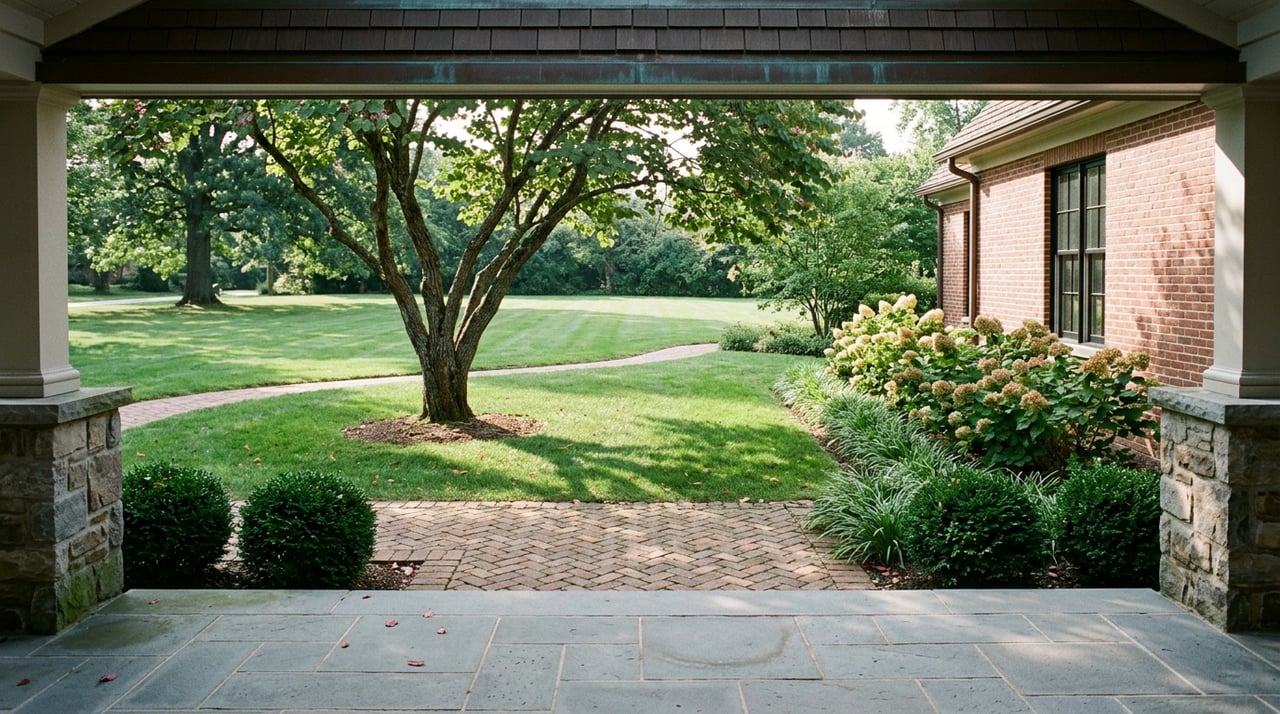
First impressions drive showings and online clicks. Projects like refreshed carriage-style garage doors, a power-washed and painted facade, clean mulch beds, and a tidy gated drive create instant lift. Industry reporting highlights curb-appeal projects among the top recoup items, including garage and entry doors as standouts for percentage recovered at resale. See examples of high-return upgrades summarized by Kiplinger.
Step C: Stage and photograph like a pro
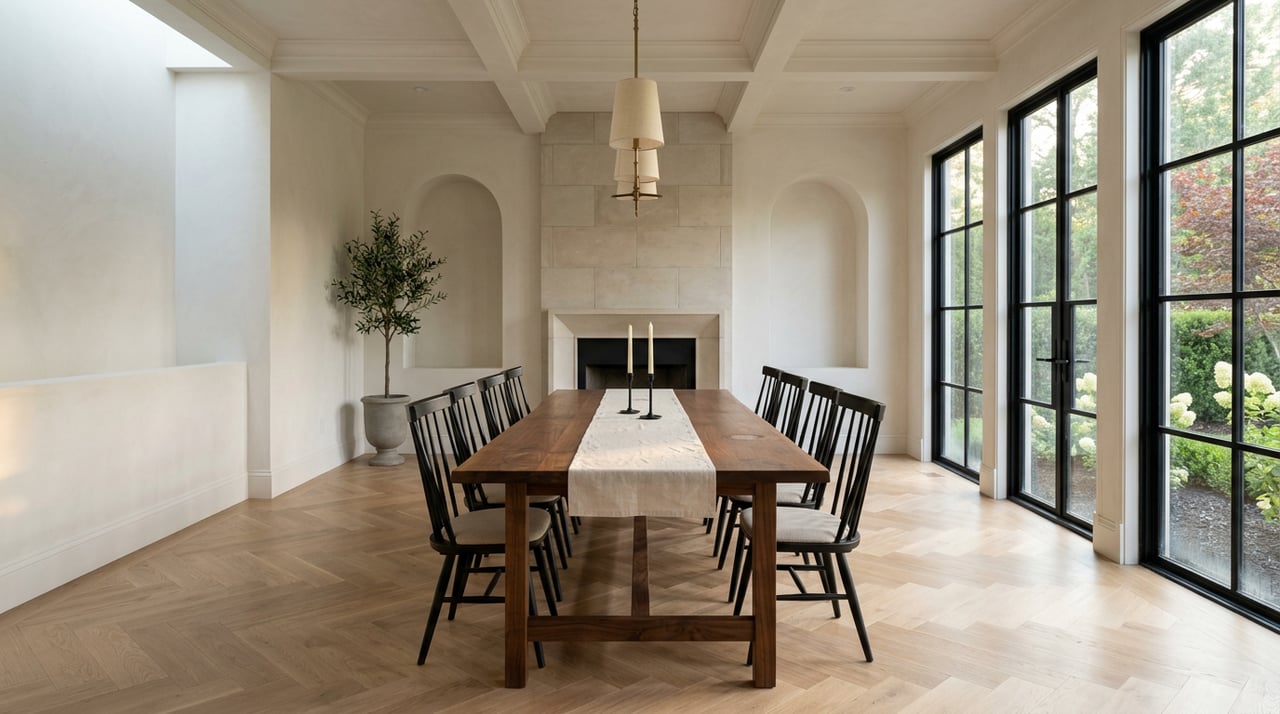
Staging consistently shortens time on market and can influence offers. According to the National Association of Realtors, agents report staging produced a 1 to 10 percent increase in offers for a portion of listings and often reduced days on market. Prioritize the living room, primary bedroom, and kitchen. Learn more about the impact in NAR’s staging report summary.
Step D: Refresh kitchens and primary baths
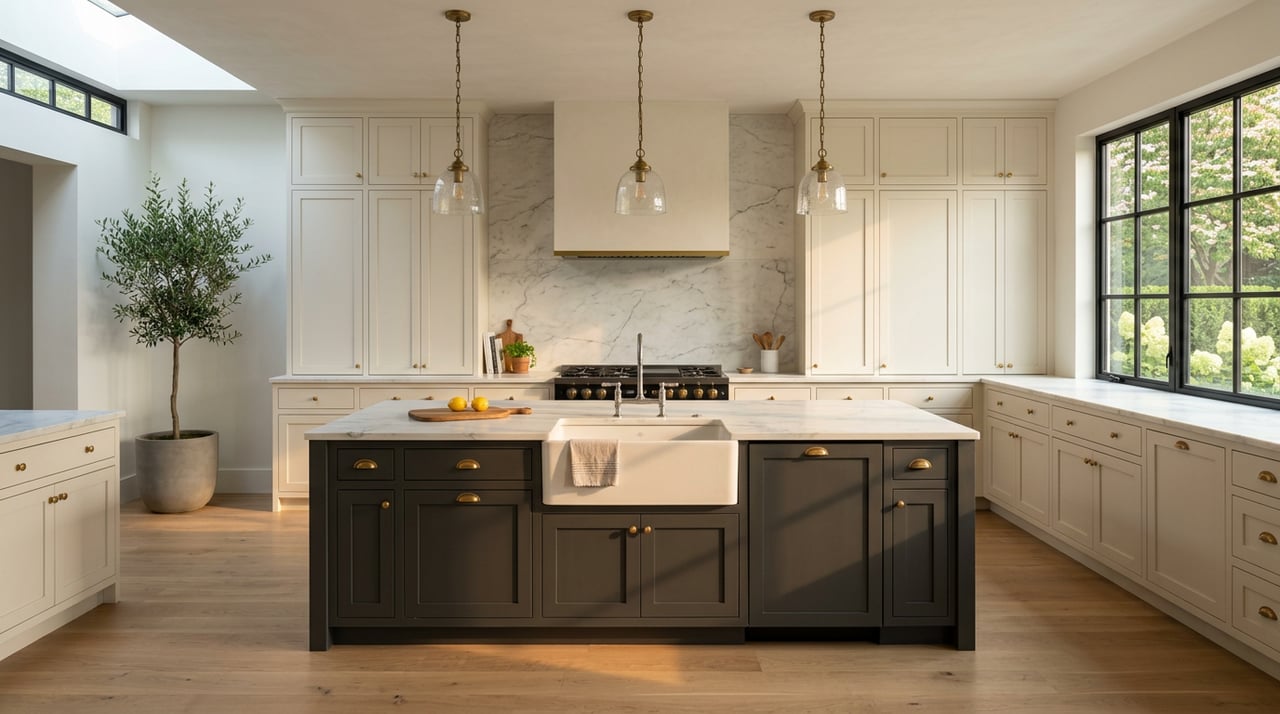
You do not have to gut and rebuild. Minor to midrange kitchen updates often recoup a larger share of cost than ultra-luxury overhauls. Focus on function and presentation: resolve layout pain points, update counters and hardware, replace select appliances, and install better lighting. For broader context on which projects typically pay back, review the Cost vs. Value coverage summarized by Kiplinger.
Step E: Align outdoor living with the lot
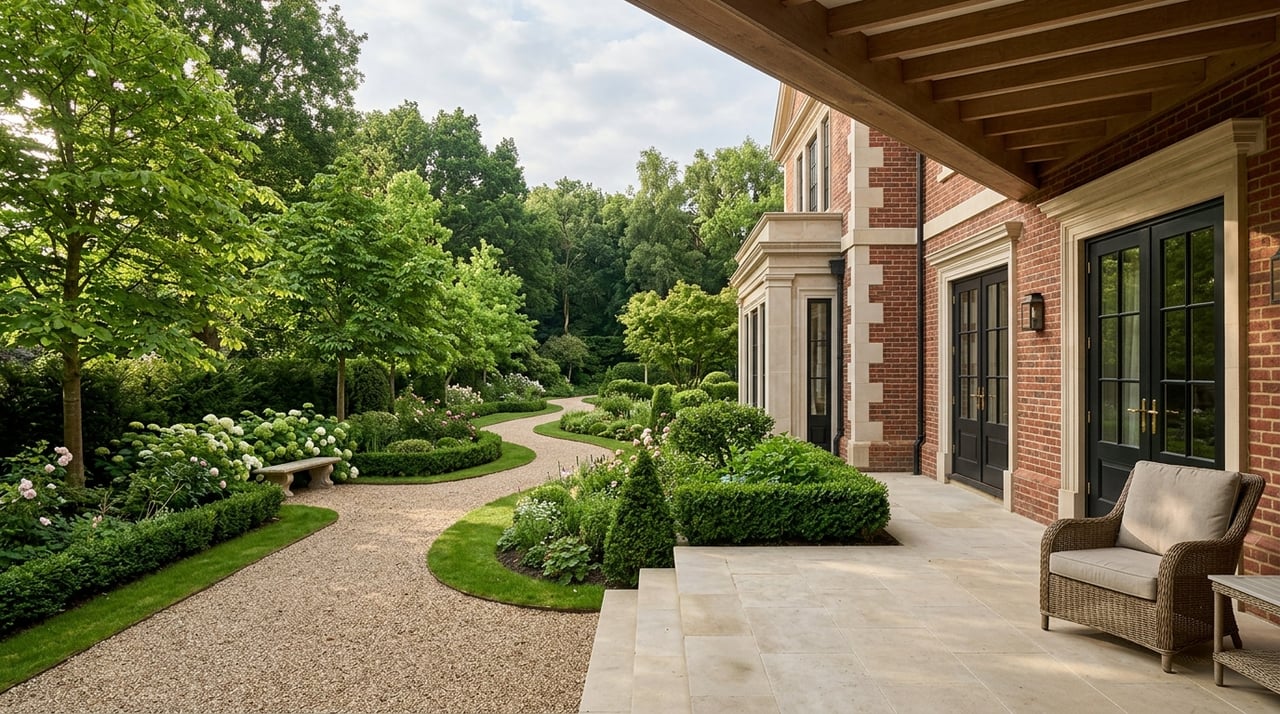
Patios, decks, outdoor kitchens, and thoughtful landscape upgrades rank high in buyer appeal, especially on estate lots with privacy. NAR’s Remodeling Impact: Outdoor Features provides cost context and appeal findings, which help right-size plans for your property. Explore the data in NAR’s Outdoor Features report and the broader Remodeling Impact series before you invest.
Budget ranges for estates
Every property is unique, but these working ranges help you plan:
- Small and quick prep: $2,000 to $30,000. This typically covers deep cleaning, decluttering, selective paint, light landscaping, and staging. NAR notes that staging costs are modest relative to price in most markets, though larger estates require larger staging budgets.
- Medium targeted upgrades: $25,000 to $150,000. Think hardwood refinishing, a cosmetic primary bath update, and a minor to midrange kitchen refresh such as cabinet refacing, new counters, and lighting. National midrange kitchen projects often land in the $25,000 to $30,000 band, which is useful for recoup comparisons, then adjust for local bids.
- Major renovations: $150,000 to $500,000 or more. Full luxury kitchens, significant additions, and pools demand longer timelines and do not always return dollar for dollar. Pursue only when comps and buyer expectations support the spend or when you plan to enjoy the improvements personally.
Use a percent-of-list framework
As a quick decision tool, frame budgets as a share of expected sale price:
- Conservative prep, cosmetic and staging: about 0.2 to 1 percent.
- Strategic value spending, kitchen or bath refresh plus curb appeal: about 1 to 3 percent.
- Major structural or amenity investments: more than 3 percent, justified by a detailed comp analysis.
These are heuristics. Always test them against three comparable sales and your agent’s uplift estimate.
Timeline and phasing
A well-run pre-list sprint keeps momentum and protects your launch date:
- Weeks 0 to 1: Market audit, scope, and permit triggers. Confirm if your plan requires a city permit for decks, pools, roof replacement, HVAC, or other items using Town and Country’s permit guidance. Add lead times to the schedule.
- Weeks 1 to 3: Quick wins. Deep clean, declutter, schedule professional media, update paint and lighting, tidy the lawn, and book staging. Staging and photography typically need 1 to 2 weeks.
- Weeks 3 to 8: Concurrent contractor work. Execute kitchen and bath refreshes, refinish floors, handle exterior touch-ups, and install landscape improvements. Bathrooms commonly take 3 to 6 weeks depending on scope, according to trade guidance on bathroom remodel timelines.
- Weeks 6 to 12 and beyond: Major projects. Roofs, pools, and additions can push listing dates by months, so weigh the uplift against carrying costs and seasonality.
Staging: how to hire and what to expect
For estate-scale homes, hire an experienced or RESA-certified luxury stager. Ask for a written scope, inventory list when rental furniture is used, proof of insurance, and a replacement value agreement for any client-owned pieces. Reserve professional photography and a twilight exterior shoot to maximize online appeal. Learn more about RESA and professional standards in this overview from Home Staging Warehouse.
NAR’s staging research reports that staging influences perceived value and shortens marketing timelines. Prioritize the rooms buyers weigh most: living room, primary bedroom, and kitchen. Keep color palettes neutral and remove personalized art so buyers can focus on scale and light.
Concierge and project management options
If you prefer low-hassle execution, you have two common models:
- Broker-led concierge programs. Your brokerage may coordinate and advance the cost of staging, painting, landscaping, and targeted repairs, with repayment at closing under program terms. This path emphasizes speed and a single point of contact.
- Specialist renovation firms. Independent firms offer project management and renovate-now, pay-later terms that are not tied to a brokerage. Choose vendors with strong local references, insurance, and clear scopes. For a neutral overview of how homeowner concierge services work, see this explainer from Deeds.com.
With The Benes Group, you can access white-glove coordination, RealVitalize pre-listing renovation financing, and professional staging partnerships that simplify every step from bid to photo day.
Avoid over-improvement
Match any major amenity to the immediate comp set. In Town and Country, home theaters, wine rooms, or gyms can help if nearby estates offer them at a similar level. If not, you risk longer time on market and uncertain recovery. When in doubt, keep the focus on condition, curb appeal, and core rooms.
A simple decision checklist
Use this to keep your plan grounded and efficient:
- Get a targeted market audit. Ask your agent to compare recent solds and current listings with similar acreage and finished square footage. Identify exact feature gaps versus your top competitors.
- Triage inspection items first. Order roof, HVAC, water heater, electrical, and where applicable, sewer lateral checks. Fix anything that would appear on an inspection report. Confirm permit needs with the city’s page before starting.
- Execute high-impact, low-disruption work. Exterior cleanup, neutral interior paint, floor touch-ups, and focused staging in the living room, primary suite, and kitchen.
- Test larger investments. Get three bids, estimate likely price uplift with your agent, and compare net proceeds after costs and carrying time. If uplift beats cost plus carry, proceed. Otherwise, stage and launch. For context on typical project paybacks, consult Kiplinger’s overview of high-ROI upgrades and NAR’s Remodeling Impact studies.
Ready to convert your estate into maximum net proceeds with less stress? The Benes Group’s senior-led team combines white-glove project management, RealVitalize financing, professional staging partnerships, and precision marketing to position your home at the top of its category. Connect with The Benes Group to start a tailored pre-list strategy.
FAQs
What is the current typical home value in Town and Country?
- Zillow’s ZHVI for Town and Country, data through January 31, 2026, places the typical home value around $1.09 million, with wide variation by lot size and finished area.
Which pre-list projects deliver the best ROI in Town and Country?
- Curb appeal upgrades, professional staging and photography, and minor to midrange kitchen or primary bath refreshes most often move the needle, supported by NAR and Cost vs. Value reporting.
Do I need a permit for pre-list renovations in Town and Country?
- Many projects require city permits, including additions, roof replacements, decks, pools, and HVAC; review and coordinate with the Building & Planning office using the city’s permits and inspections page.
How much should I budget before listing a $2 million estate?
- As a planning rule, conservative cosmetic prep and staging may run 0.2 to 1 percent of price, strategic refreshes often 1 to 3 percent, and larger structural or amenity projects more than 3 percent if comps warrant.
How long do common pre-list updates take?
- Quick prep can fit into 1 to 3 weeks, midrange refreshes often 3 to 8 weeks, and major projects 6 to 12 weeks or more; bathrooms commonly take 3 to 6 weeks per industry guidance.
What does staging typically cost for large homes?
- NAR notes that staging costs are modest relative to price on average, but estate-scale properties require larger budgets; request a written scope from a luxury or RESA-certified stager to set expectations.