If you own a home in Chesterfield or Wildwood, you may be wondering whether all the new development around you is good news for resale value. It is a smart question, especially in markets where buyers care about both neighborhood character and everyday convenience. The short answer is that new development can help, but usually not in a simple, one-size-fits-all way. What matters most is how your home fits with what buyers already want in these two markets. Let’s dive in.
Why new development matters for resales
New development can change how buyers see a city. It can add shopping, dining, recreation, housing choices, and a stronger sense of place. When that happens, resale homes nearby may benefit because buyers are not just purchasing a house, they are also buying into the lifestyle and convenience of the area.
That said, new projects do not automatically raise the value of every property around them. Buyers still compare homes based on condition, lot size, privacy, layout, and updates. In Chesterfield and Wildwood, that balance is especially important because both cities are adding mixed-use development while still protecting much of their established suburban form.
Chesterfield's next chapter
Chesterfield is moving through a major shift in how it presents itself. According to the city’s FY2025 budget, demolition of Chesterfield Mall began in October 2024 to make way for Downtown Chesterfield, a new project planned to include residential, retail, and office buildings, plus infrastructure improvements estimated at more than $150 million.
City planning materials describe this area as a walkable downtown with civic spaces. At the same time, Chesterfield Valley continues to serve as a regional commercial area intended for retail, dining, entertainment, hotel, and leisure uses. For resale homeowners, that means Chesterfield’s value story is expanding beyond traditional suburban convenience into something more layered and destination-oriented.
What this could mean for Chesterfield sellers
If your home is in an established Chesterfield subdivision, the appeal may become even stronger when paired with access to newer amenities. Buyers often respond well to a home that offers a familiar neighborhood setting while also being close to parks, dining, entertainment, and a growing downtown environment.
Chesterfield also has a strong recreation foundation. City materials highlight more than 540 acres of parkland, 16 miles of trails, the Chesterfield Amphitheater, the family aquatic center, and the Chesterfield Valley Athletic Complex. For many buyers, those amenities support the idea that Chesterfield offers both space and activity, which can help resale homes stand out.
Chesterfield still values neighborhood stability
Even with the downtown transition, Chesterfield’s planning documents continue to reinforce suburban neighborhood character. The city describes suburban neighborhoods as areas of single-family detached homes with consistent densities, open-space buffers, and a focus on preserving established residential patterns.
That matters because many buyers still want exactly that. Recent residential approvals also suggest that larger lots remain part of the local appeal. One proposed neighborhood called for 35 single-family lots on 35 acres, with 22,000-square-foot minimum lot sizes, 110-foot minimum widths, and 12.5 acres of common ground.
Where mixed-use fits in Chesterfield
Chesterfield is not only about larger-lot neighborhoods. Projects such as Wildhorse Village show a more mixed-use side, with townhomes, apartments, condos, single-family homes, and common ground within a larger development. That gives buyers more options, but it also sharpens the identity of traditional resale neighborhoods.
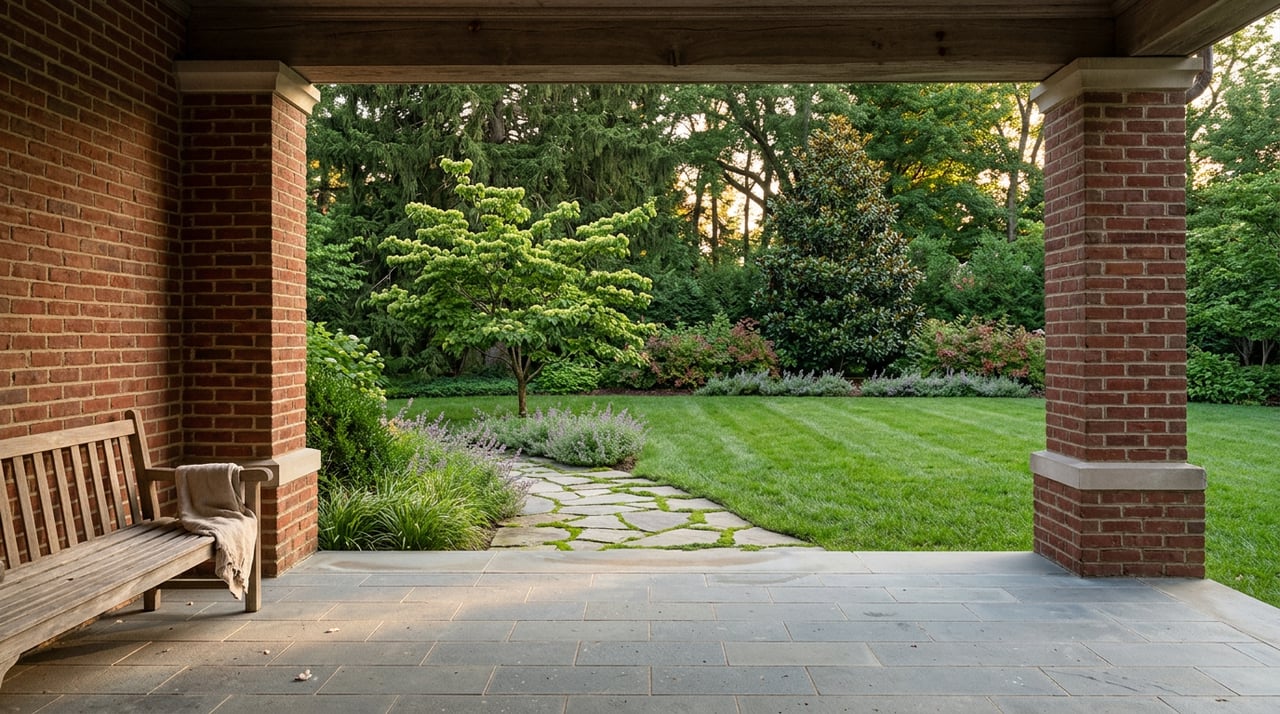
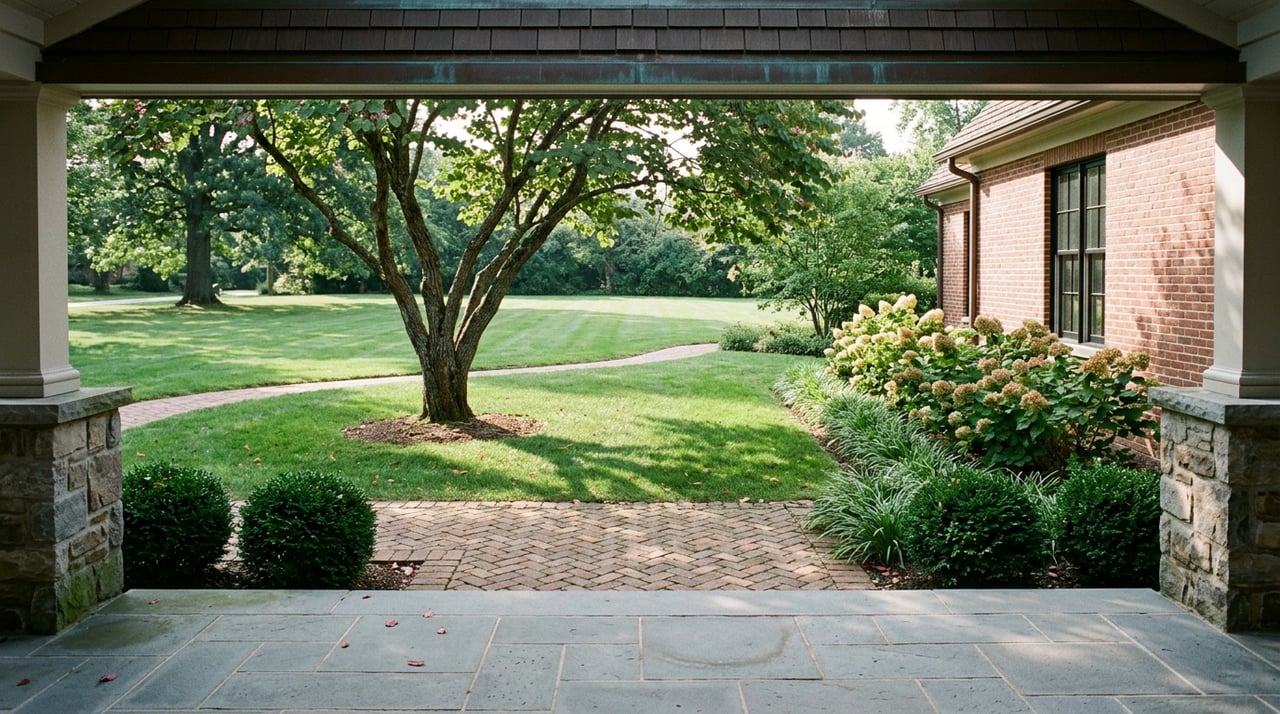
In practical terms, that can help sellers whose homes offer what newer construction may not. A more established setting, mature landscaping, a wider lot, added privacy, and a proven subdivision identity can all be meaningful advantages when buyers compare old and new.
Wildwood's more selective growth model
Wildwood is taking a different approach. The city says its Town Center was designed to serve as a mixed-use focal point for the community, and current projects include Village Green, Wildwood Luxury Living Town Center, The Reserve at Wildwood, and West Mill.
Village Green’s first phase includes a civic green, stage area, parking, access and utility work, landscaping, and event-space improvements. The Reserve at Wildwood was approved for up to 115 homesites on a 50-acre tract. Wildwood Luxury Living Town Center adds a four-story mixed-use building with 188 apartments and about 7,000 square feet of ground-floor commercial space.
Why Wildwood resales may benefit differently
Wildwood’s town-center buildout is intentionally limited. The city notes that Town Center represents only about 2% of Wildwood’s 68-square-mile land mass, while the city as a whole continues to promote open space, trails, and a low-density suburban feel.
That distinction is important for resale. In Wildwood, the story is often not about being in the middle of dense development. Instead, it is about having access to select conveniences while still enjoying the larger setting that defines the city.
Wildwood still leans into space and nature
Wildwood describes itself as trail-rich and nature-oriented, with more than 35 miles of trails, including 18 miles of asphalt trails. For many buyers, that kind of amenity base supports long-term appeal because it adds daily lifestyle value without changing the city’s broader low-density identity.
So if you are selling in Wildwood, the strongest positioning may be tied to open space, privacy, lot character, and trail access, with Town Center convenience serving as a bonus rather than the whole pitch. That is different from Chesterfield, where the downtown transformation itself may become a larger part of the resale narrative.
What buyers are rewarding right now
Buyer preferences help explain why both cities may continue to attract demand. A 2025 buyer survey found that neighborhood quality was the top factor in neighborhood choice at 59%. Other major factors included convenience to friends and family at 45%, affordability at 36%, convenience to a job at 34%, convenience to shopping at 30%, neighborhood design at 26%, convenience to entertainment and leisure activities at 22%, walkability at 21%, convenience to parks and recreation at 20%, and availability of larger lots or acreage at 17%.
Those priorities line up well with what Chesterfield and Wildwood offer. Both cities combine established neighborhoods with access to shopping, recreation, and trails. They also still provide, in many cases, larger lots or more privacy than buyers may find in more compact development patterns.
Features that may matter more than proximity alone
Being near new development can help your home attract attention, but it rarely closes the deal by itself. In both Chesterfield and Wildwood, buyers are still rewarding homes that feel functional, well-kept, and easy to live in.
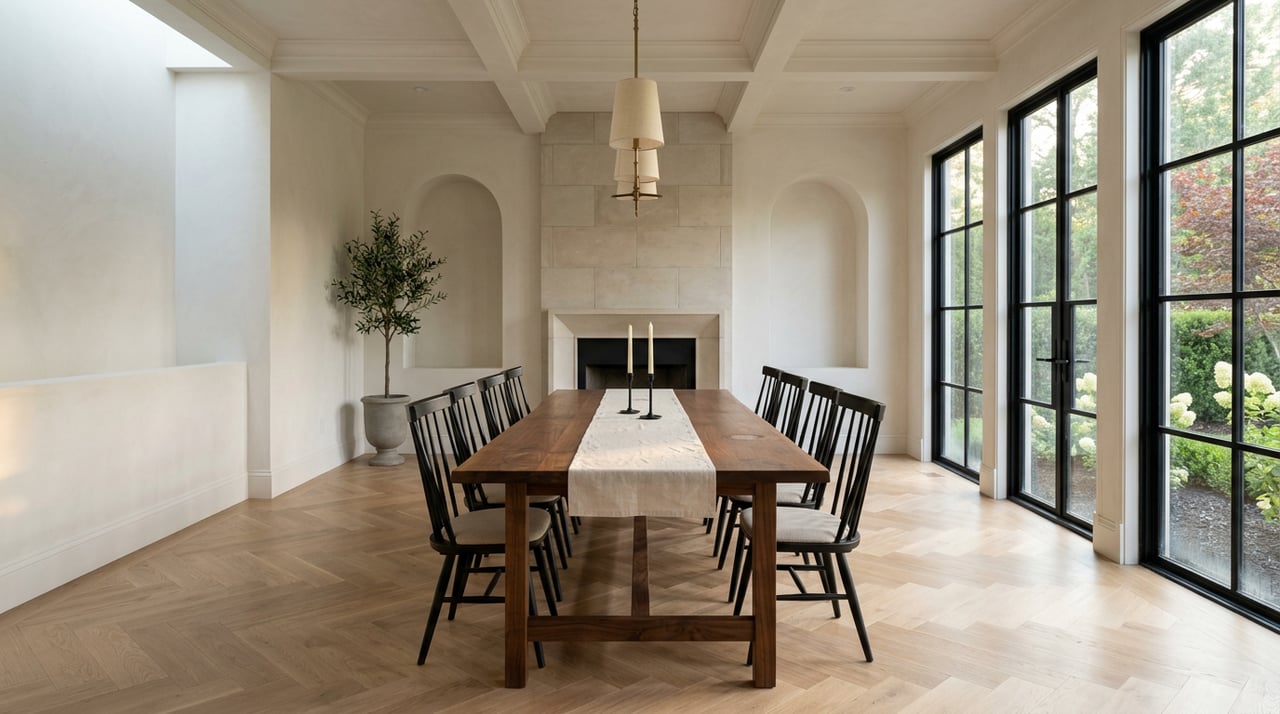
Design trends point in the same direction. Buyers are still open to open floor plans, but many now want more defined spaces, added privacy, and multifunctional rooms. They are also responding to authentic homes with character, more natural light, and easier-living finishes.
Updates that support resale appeal
If you are preparing to sell, these improvements may resonate more than trend-heavy changes:
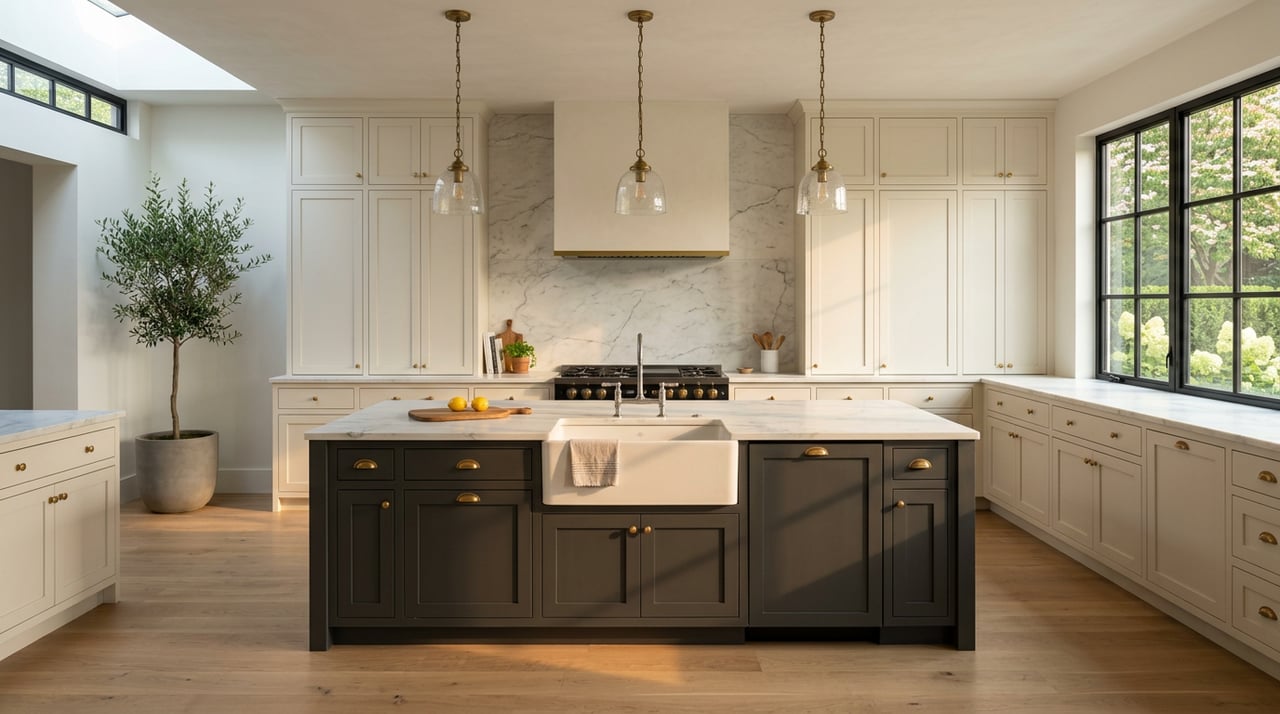
- Updated kitchens and baths
- Flexible office, bonus, or multipurpose rooms
- Better indoor-outdoor flow
- Low-maintenance finishes
- Improvements that preserve character rather than erase it
- Strong curb appeal and polished presentation
This is where strategy matters. A home near Downtown Chesterfield or Wildwood Town Center may still underperform if it feels dated, awkwardly laid out, or poorly prepared for the market.
What current market pace suggests
Current market data show that both cities remain relatively strong and fast-moving. Zillow estimates average home values at about $580,512 in Chesterfield and $584,881 in Wildwood, with homes in both cities going pending in about five days.
That does not prove that new development is lifting every nearby resale. It does suggest, however, that buyers are still competing for the right home. In that kind of market, location near new amenities can matter most when paired with the features buyers already value, such as privacy, lot size, layout, curb appeal, and updates.
How to think about your home's resale story
For most sellers, the best approach is local and specific. Broad headlines about development are helpful, but buyers make decisions based on how a particular home fits their priorities.
In Chesterfield, the strongest resale story is often a blend of established subdivision identity and access to Downtown Chesterfield, The District, or the city’s park system. In Wildwood, it is more often a combination of trail-and-open-space living with selective access to Town Center conveniences.
Questions worth asking before you sell
If you are trying to understand your home’s position, start with these questions:
- Is your home closer to the newer amenity nodes buyers recognize?
- Does your property offer something newer homes may not, such as a larger lot, mature landscaping, or more privacy?
- Does the layout fit current preferences for both openness and defined-use spaces?
- Would strategic updates improve your pricing power?
- Is your presentation strong enough to compete with newer or recently updated inventory?
The answers can help shape pricing, preparation, and marketing. They also help separate generic market advice from the kind of strategy that leads to stronger offers.
Why strategy matters more in evolving markets
When a market is changing, buyers often become more selective, not less. They may pay a premium for a resale home that clearly delivers on the lifestyle they want, but they can also move quickly past homes that feel mismatched to the moment.
That is why thoughtful pre-listing work can matter so much. The right updates, staging plan, and positioning can help your home connect with buyers who want the benefits of Chesterfield or Wildwood’s growth without giving up the features that made these communities desirable in the first place.
If you are thinking about selling in Chesterfield or Wildwood, the key is not just whether new development is happening. It is whether your home is prepared and presented in a way that lets buyers see its value within that bigger local story. For tailored guidance, seller preparation support, and a data-driven plan for your home, connect with The Benes Group.
FAQs
How does Downtown Chesterfield affect nearby resale homes?
- Downtown Chesterfield adds a new mixed-use, walkable focal point with planned residential, retail, office, and major infrastructure investment, which can strengthen buyer interest in nearby resale homes when those homes also offer strong condition, layout, and lot appeal.
What does Wildwood Town Center mean for Wildwood home values?
- Wildwood Town Center adds a limited amount of mixed-use housing, civic space, and convenience, but the broader resale appeal in Wildwood still appears tied more closely to open space, trails, privacy, and the city’s low-density suburban character.
Do new developments automatically increase resale value in Chesterfield or Wildwood?
- No. New development can improve buyer perception and convenience, but resale performance still depends heavily on the home’s condition, updates, lot size, privacy, curb appeal, and overall fit with current buyer preferences.
What home features matter most to buyers in Chesterfield and Wildwood?
- Current buyer priorities suggest that neighborhood quality, access to shopping and recreation, functional layout, larger lots or privacy, and updated finishes can all play an important role in how resale homes perform.
Should you renovate before selling a home in Chesterfield or Wildwood?
- In many cases, focused improvements such as kitchens, baths, flexible-use rooms, and presentation upgrades can help a home compete more effectively, especially when buyers are comparing it with newer or recently updated options nearby.