Are you deciding between a storied legacy estate and a sleek new build in Town and Country? You are not alone. Both options offer luxury, but they deliver very different experiences, costs, and resale dynamics. In this guide, you will learn how architecture, lot size, systems, amenities, and long-term value compare so you can choose with confidence. Let’s dive in.
Quick context: Town and Country luxury
Town and Country is known for large lots, mature trees, and a mix of long-established estates and newer custom construction. Inventory at the top of the market is limited, so a single sale or new project can shift trends. Before you write an offer or set a listing price, plan to review 12 to 24 months of local MLS data and confirm zoning details with the city.
Architecture and character
Legacy estates
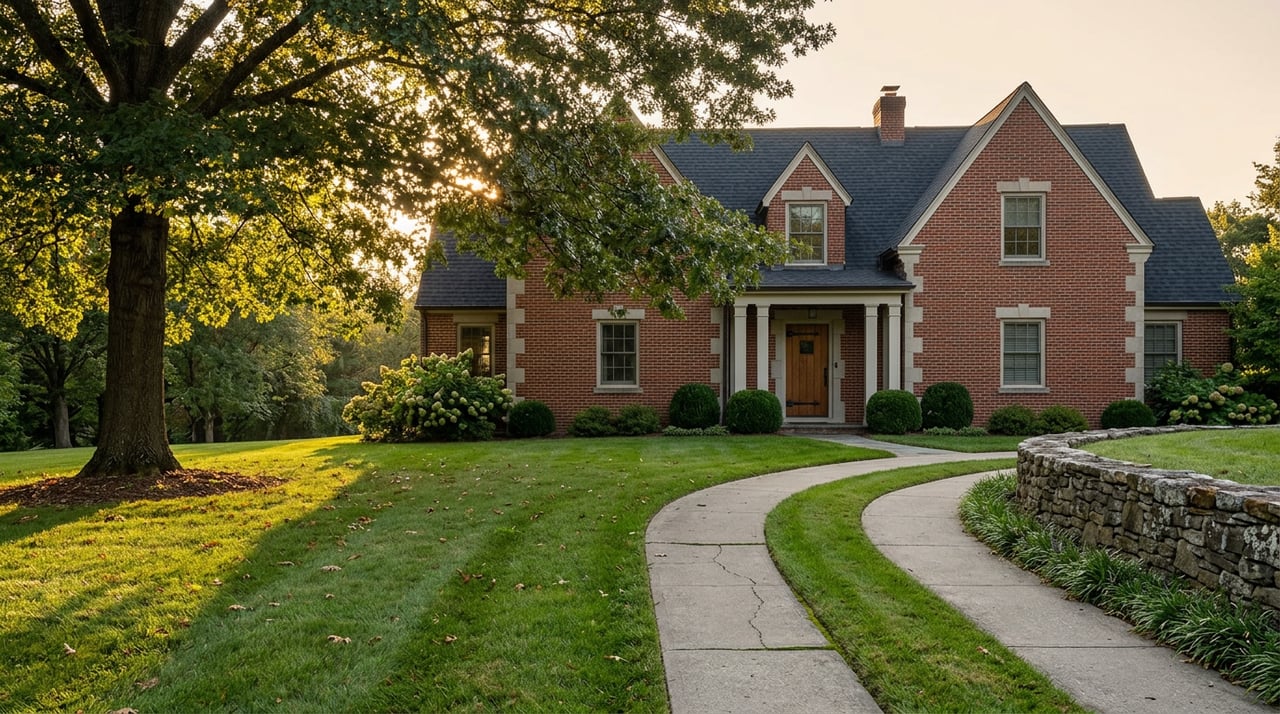
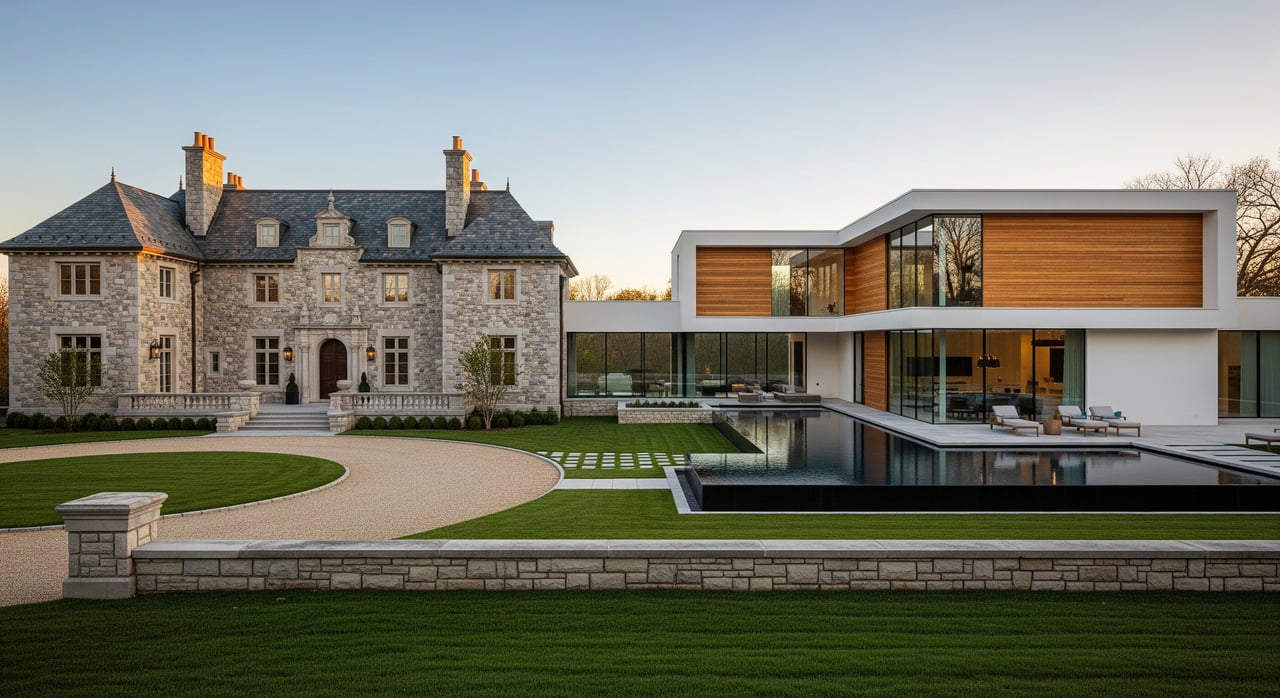
Legacy estates often feature distinctive styles like Colonial, Tudor, mid-century, or Georgian. You typically see custom millwork, formal rooms, and architectural details that are difficult to replicate today. Floor plans may feel compartmentalized, though many owners have opened kitchens and created more flexible spaces through thoughtful renovations.
New builds
New construction in Town and Country emphasizes open layouts, higher ceilings, large kitchens with professional appliances, and seamless indoor-outdoor flow. Expect integrated smart wiring, energy-efficient systems, and contemporary finishes like expansive windows and clean-lined millwork. These homes are built to current codes and design preferences.
Lot size and landscaping
Legacy estates
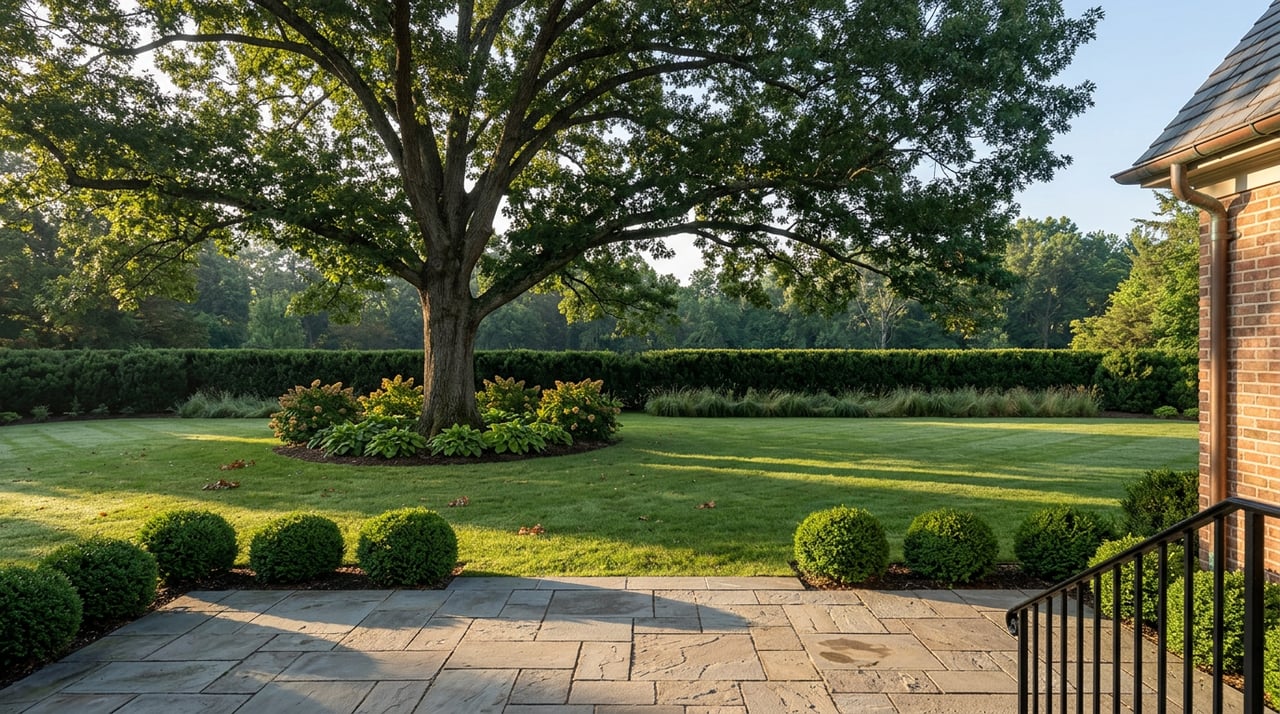
Older estates often sit on larger, established parcels. Mature trees, gardens, and stonework provide instant privacy and curb presence. That character brings value, but maintenance is higher and site features like older drives or walls may need updates. There can be easements or tree protections that shape what you can change.
New builds
Many new homes are on subdivided or remaining large lots. Landscapes are freshly installed, so trees and screening will take time to mature. Drainage and grading are typically up to current standards. If you want immediate privacy, expect to invest in additional plantings.
Systems, maintenance, and carrying costs
Legacy estates
Older homes may include aging electrical, plumbing, HVAC, or insulation. Renovations can uncover items like outdated wiring, older windows, lead paint, or asbestos. Maintenance budgets are usually higher, especially for roofs, exterior finishes, pools, or extensive grounds. Insurance can reflect the cost to replace unique finishes, and inspections should include specialists.
New builds
New construction brings a modern building envelope, high-efficiency HVAC, current insulation, and often builder warranties. Short-term maintenance is usually lower, though taxes and insurance can be higher based on new assessed values. You benefit from current codes, which can reduce surprises after move-in.
Amenities and how you live
Legacy estates
Decades of ownership can mean custom amenities such as pools, tennis courts, guest houses, or carriage houses. Some systems may be older, so factor in updates. The appeal is the combination of privacy, presence, and one-of-a-kind features.
New builds
Today’s new construction often includes home theaters, fitness rooms, wine storage, EV charging, and integrated smart home systems. Spa-level baths and multiple en-suite bedrooms are common. The lifestyle is turnkey and designed for modern living.
Resale and valuation dynamics
- Buyer profiles: Legacy estate buyers prioritize provenance, mature landscaping, and architectural character. New build buyers value turnkey systems, open plans, and energy efficiency.
- Liquidity: At the very top price points, both categories can take longer to sell. Presentation matters. Fresh landscaping, staging, and current finishes drive better results.
- What drives price: Legacy estates trade on lot size, landscaping, architectural significance, and condition. New builds trade on floor plan, finish level, and perceived value versus other recent construction.
- Renovate or rebuild: For some large parcels, the choice becomes renovation versus replacement. Consider structural condition, historic value, code compliance costs, and local lot coverage rules before deciding.
Regulations and feasibility in Town and Country
Zoning and lot coverage rules can affect footprint, additions, pools, and drive placement. Minimum lot sizes, setbacks, and stormwater requirements may limit expansion. Recorded easements, drainage plans, and tree protections can shape design choices, especially on legacy parcels. Before you offer or list, confirm:
- Setbacks, impervious surface limits, and any design review requirements.
- Floodplain or drainage constraints using county GIS resources.
- Recorded easements or covenants that affect future improvements.
- School district assignments for your specific parcel, since boundaries vary.
Financing, inspections, and appraisals
- Appraisals: Unique estates can be challenging to appraise if comparable sales are limited. Appraisers may rely on a cost approach or make large adjustments for lot and features.
- Construction financing: If you plan to build new, expect staged inspections and a conversion from construction to permanent financing.
- Inspections: Older homes benefit from specialized evaluations for structure, masonry, sewer, pest, and potential environmental items. Budget for contractor bids and contingency.
Choose legacy or new: a quick buyer checklist
Choose a legacy estate if you value:
- Immediate privacy, mature trees, and established gardens.
- Architectural character and unique craftsmanship.
- The opportunity to customize through renovation.
Choose a new build if you want:
- Open layouts, high ceilings, and energy-efficient systems.
- Multiple en-suite bedrooms and turnkey amenities.
- Lower near-term maintenance and possible warranties.
Seller strategies that maximize outcomes
For legacy estate sellers
- Triage the big items. Address roof, drainage, and mechanicals that could slow a sale. Buyers at this level expect functional systems.
- Refresh for today’s tastes. Strategic updates to lighting, paint, and landscaping can make formal layouts feel current.
- Stage to the floor plan. Professional staging helps buyers understand how to live comfortably in traditional rooms.
- Consider pre-listing inspection and a pre-appraisal or broker price opinion to identify hurdles early.
For new build or newer home sellers
- Finish the story. Thoughtful landscaping, window treatments, and outdoor living areas complete the experience.
- Benchmark finishes. Align with recent new construction to match buyer expectations.
- Present warranties and manuals. Organized documentation signals quality and care.
How The Benes Group helps
The Benes Group delivers concierge-level listing support designed for premium outcomes. Services include coordinated pre-listing improvements through RealVitalize, professional staging partnerships, and scarcity-driven marketing with pocket and coming-soon strategies. Integrated exposure through Coldwell Banker Global Luxury expands reach to qualified buyers while protecting your privacy.
What to verify before you act
- MLS data for the last 12 to 24 months segmented by year built and luxury price band.
- Days on market and list-to-sale ratio for updated legacy estates versus recent new builds.
- Price per square foot and per acre to understand land versus structure value.
- Zoning, lot coverage, and any recorded easements that affect future plans.
Questions to ask about a legacy estate
- What mechanicals have been upgraded, and when?
- Are there known drainage issues, prior water events, or foundation repairs?
- Which permits and inspections are on record for past work?
- Are there tree protections, easements, or covenants that limit changes?
- What are typical annual maintenance costs for grounds and exterior systems?
Your next step
Whether you lean toward a character-rich estate or a turnkey new build, the best choice depends on your lot, layout, and long-term plans. With the right data, staging, and prep, both paths can deliver strong value in Town and Country. If you want a private market snapshot or a plan to prepare your home for a premium sale, connect with the trusted local team at The Benes Group.
FAQs
Which offers better long-term value in Town and Country?
- It depends on lot quality, condition, and your preferences. Updated legacy estates can perform well based on land and character, while new builds compete on modern layouts and efficiency. Review recent comps for both before deciding.
How much should I budget to renovate a legacy estate?
- Start with inspection-driven categories like mechanicals, building envelope, kitchens and baths, and landscaping. Get multiple bids and include a contingency for hidden conditions.
Is subdivision realistic if I own a large lot in Town and Country?
- Possibly, but you must confirm zoning, minimum lot sizes, setbacks, utilities, and any tree or stormwater rules. A feasibility review with the city planning office is essential.
Do new builds sell faster than legacy estates locally?
- Turnkey new builds often move faster when priced and finished to market expectations. Unique legacy estates can command premiums, but they may take longer to find the right buyer.
What appraisal challenges are common for unique legacy estates?
- Scarce comparables, varying land valuations, and costs to bring systems to current standards are common. A pre-listing appraisal or broker price opinion can reduce surprises.
How do taxes and insurance typically compare for new builds versus older homes?
- New construction can see higher assessed values at completion, while insurance reflects replacement cost and local risk. Get quotes from local carriers and confirm assessments before closing.